Oops! Something went wrong while submitting the form.
September 18, 2026
How to Make Your Website Visible in ChatGPT Search
Traditional search engine optimization is undergoing a major shift. Optimizing pages solely for standard search result pages is no longer a complete strategy, as audiences increasingly turn to conversational AI platforms for direct answers, bypassing the keyword search box entirely.
Among these platforms, ChatGPT Search has become a leading source of conversational referral traffic. When a user asks a question, the platform synthesizes a customized response and embeds direct citations to authoritative web sources.
For businesses — especially those in competitive technology hubs like Bangalore — adapting to this shift means moving past legacy keyword-density tactics. Surviving in conversational engines requires Generative Engine Optimization (GEO): structuring content so AI models can easily crawl, interpret, and cite pages as trusted authorities.
What Does Visibility in ChatGPT Search Mean?
Appearing inside ChatGPT Search differs fundamentally from ranking on a traditional search engine results page (SERP). Standard engines place a site on a static, numerical list. Conversational visibility, by contrast, is fluid, personalized, and woven directly into the AI's generated prose.
The Three Modes of AI Visibility
Brand Mentions: the AI includes your company name naturally within its response text, establishing your brand as a recognized player in the market.
Website Links: the platform embeds direct hyperlinks within the chat interface, allowing users to click through to your domain for deeper reading.
Cited Sources: the system places a footnoted icon or inline citation next to specific numbers, claims, or recommendations, using your content to validate its output.
These results change constantly. The final output depends on the user's phrasing, chat history, location, and real-time data needs. A website does not secure a permanent rank — it earns a contextual citation by providing the most precise answer to a user's exact question at that moment.
How ChatGPT Search Finds and Selects Website Content
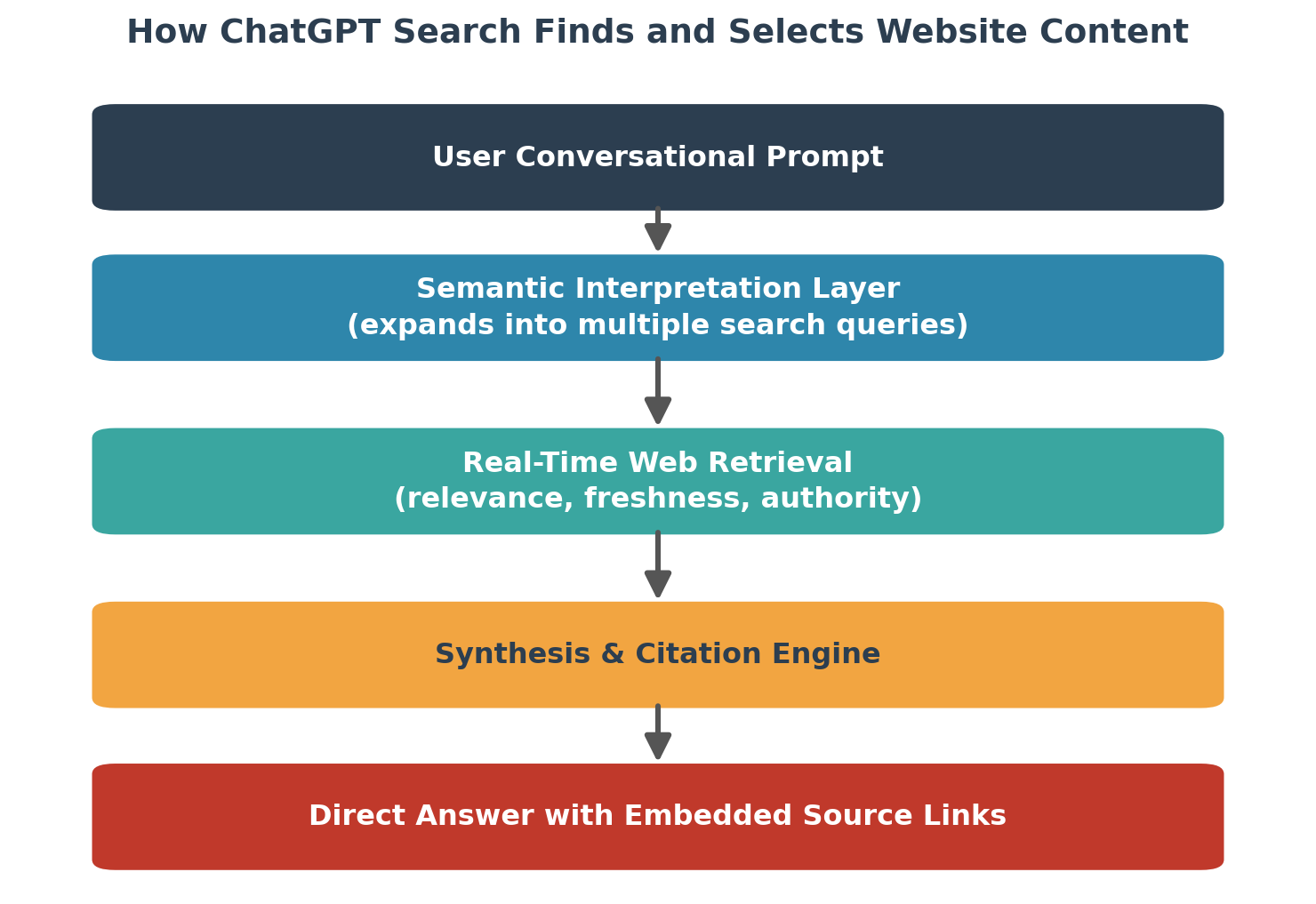
Traditional engines match search terms against an index of documents. ChatGPT Search instead uses a semantic approach that processes the intent behind the words. When a user enters a long, conversational question, the system looks beyond surface keywords, often expanding a single prompt into multiple distinct search queries behind the scenes to gather a complete view of the topic.
Figure 1. The discovery pipeline behind a ChatGPT Search response.
For example, if a user asks “Which project management software is best for small engineering teams?” the system does not just search that exact phrase. It might quietly run separate searches for recent software reviews, developer tool pricing, and user case studies — then evaluate the results for relevance, accuracy, and domain authority before compiling an answer. Because of this, targeting isolated keywords no longer works: pages must cover topics thoroughly enough to satisfy the broader user intent.
Step 1: Allow OpenAI's Search Crawler to Access Your Website
Technical accessibility is the absolute baseline. If OpenAI's automated systems are blocked from reading your pages, your content cannot be pulled into live search responses.
What Is OAI-SearchBot?
OpenAI uses a specialized crawler called OAI-SearchBot to discover and retrieve real-time web content specifically for ChatGPT Search. This bot focuses entirely on sourcing timely, high-quality information to satisfy live user prompts.
Check Your robots.txt File
Your site's root directory must explicitly permit this bot to read your content:
User-agent: OAI-SearchBot
Allow: /
If your configuration blocks this bot, your site is automatically excluded from the pool of available sources, eliminating your visibility in live chat results.
Understand the Difference Between OpenAI Crawlers
OpenAI uses distinct user agents for different tasks. Managing them correctly gives you control over how your data is used:
Crawler
Purpose
Recommended robots.txt setting
OAI-SearchBot
Sources live web data to generate search responses and citations.
Allow
GPTBot
Crawls pages to gather datasets for training future core models.
Allow or Block (your choice)
ChatGPT-User
Fetches a specific page only when a user tells ChatGPT to browse that link.
Allow
Table 1. OpenAI's crawler agents and their purposes.
You can protect your intellectual property from model training while remaining visible in search by blocking GPTBot while fully allowing OAI-SearchBot in your robots.txt file.
Review Firewall and CDN Settings
Security firewalls can accidentally block legitimate AI search traffic. Check Cloudflare, AWS, or server logs for unusual volumes of 403 or 429 status codes tied to OpenAI agents. Because crawler networks evolve, avoid relying on a fixed list of static IPs — consult OpenAI's official developer documentation regularly and configure security tools to let verified search bots pass without triggering CAPTCHAs.
Step 2: Make Your Important Pages Easy to Crawl
Allowing access is only the first step — your website architecture must also allow for clean, rapid data extraction.
Keep Core Content Publicly Accessible
AI search engines prioritize clean HTML text that can be parsed instantly. Do not hide high-value information behind technical obstacles that stop automated scripts:
Required user logins, registration forms, or paywalls
Intrusive pop-up windows and modal overlays
Strict cookie walls that block rendering until clicked
Heavy client-side JavaScript frameworks with long loading times
Essential data locked inside images, graphics, or un-optimized PDFs
Check Indexing Directives
Audit primary technical assets: ensure key landing pages contain no accidental noindex tags, confirm canonical tags point to the live authoritative URL, and fix long redirect chains that waste crawler efficiency.
Improve Website Structure
Organize pages with a strict HTML hierarchy: exactly one <h1> per page, an orderly sequence of <h2> and <h3> subheadings, descriptive internal anchor text, and straightforward site navigation.
Step 3: Create Content That ChatGPT Can Cite
Conversational models favor data that can be clearly parsed, verified, and attributed. To earn citations, writing must directly address real user inquiries.
Answer One Clear User Question
Build individual pages around resolving a single, specific search intent rather than generic overview pages. A GEO agency in Bangalore, for instance, should dedicate separate pages to local culture, general IT services, and technical coding rather than clustering them into one page.
Provide a Direct Answer Early
Place a concise, direct summary of the answer within the first two paragraphs so the engine can pull a quick answer immediately, while the rest of the page provides deep context for follow-up prompts.
Add Original Information
Generic summaries copied from other sites rarely get cited because the model already knows that information. Unique data gives the model fresh material it can explicitly cite:
First-hand industry survey metrics
Proprietary operational frameworks
Verified local case studies
Direct quotes from certified experts
Support Important Claims
Validate assertions by linking directly to primary sources such as official government data, academic papers, or foundational industry studies. Always state the year and context of referenced data, and update older pages regularly to remove obsolete facts.
Step 4: Strengthen Brand and Expertise Signals
AI search tools assess the credibility of a website before showcasing it to users, so building trust across the domain is vital for long-term visibility.
Show Who Created the Content
Attribute every article to a real person with a clear byline detailing their role, experience, and credentials, linked to an author profile page, alongside visible publication and revision dates.
Improve Business Trust Pages
About Us: clearly state operational history, leadership team, and physical office locations.
Contact: display verified physical addresses, matching corporate emails, and active phone numbers.
Policies: maintain clear editorial standards, privacy policies, and terms of service.
Maintain Consistent Business Information
Keep company name, address, phone numbers, and services uniform across the website, social media, and major local directories. Mentions on respected industry portals and targeted PR campaigns increase your brand's digital footprint, making it easier for semantic engines to recognize the business as a trusted entity.
Step 5: Optimise Content for Conversational Queries
Conversational search patterns reflect how people speak naturally, so content layout must match these linguistic habits. A generic service page will not satisfy a query like “How do I set up structured data for a local service business?” — the page needs to match that conversational flow directly.
Question-Based Headings: use subheadings that mirror exact user prompts, such as “What does a GEO audit cost?”
Clean Definitions: provide a direct, single-sentence definition immediately after introducing a complex term.
Step-by-Step Instructions: use ordered lists so the AI can extract workflow steps cleanly.
Comparative Data Tables: organize complex options or pricing within clean markdown tables.
Real FAQs: build FAQ sections from real questions sourced from support emails and sales logs.
Step 6: Use Structured Data and Clear Page Information
Structured data provides an explicit, machine-readable layer that helps semantic search engines understand the relationships between different assets on a website. While schema markup does not guarantee a citation, it clarifies business details, location, and authorship — provided it maps precisely to the visible page text.
Schema Type
Primary Technical Purpose
Article
Defines authors, publishing organizations, and original dates for blogs and guides.
Organization
Establishes brand names, official logos, social profiles, and parent entities.
LocalBusiness
Specifies physical office locations, operating hours, and local geographic coordinates.
Product / Service
Outlines explicit service lines, operational scopes, and verified pricing structures.
FAQPage
Connects specific questions with explicit answers for clean extraction into AI summary blocks.
Table 2. Common schema types and their purpose in GEO.
Step 7: Build Topical Authority Through Content Clusters
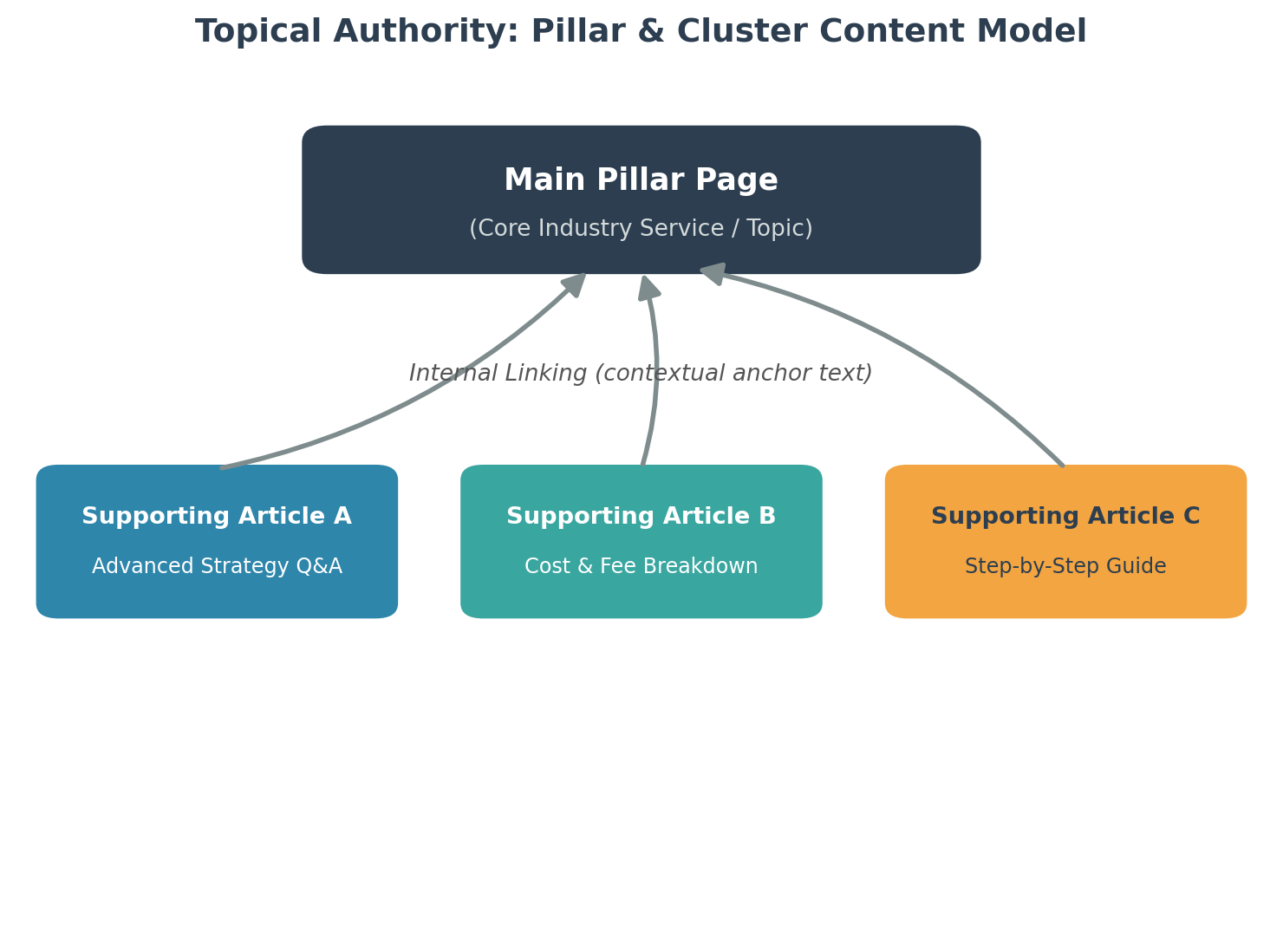
Isolated pages rarely perform well in conversational search. AI models favor domains that demonstrate deep, exhaustive expertise across an entire subject area, organized into interconnected content hubs.
Figure 2. The pillar-and-cluster content model.
Start with a comprehensive, high-level pillar page for each primary service offering. Around that hub, publish a network of tightly focused supporting articles answering specific long-tail questions, step-by-step guides, and cost analyses — each linking back to the pillar page with clear, contextual anchor text. This architecture signals deep, exhaustive topic coverage, making the domain a reliable source to cite.
Step 8: Track ChatGPT Traffic, Mentions and Citations
Monitor Referral Traffic
Review incoming referral traffic in Google Analytics 4 or another analytics platform. Look for sessions driven by chatgpt.com or associated OpenAI domains, track which landing pages users reach, and measure how effectively this traffic converts into leads.
Test Important Search Prompts
Maintain an internal tracking document and run monthly diagnostic checks inside ChatGPT Search across categories such as:
Brand Intent: “What services does [Your Company Name] offer?”
Service Category: “Who are the leading providers of GEO services in Bangalore?”
Comparative Evaluation: “Compare the top technical SEO agencies in Bangalore.”
Informational Query: “How do you prepare a website structure for AI search crawlers?”
Document whether the brand is explicitly mentioned, whether a site link is provided, and which pages are used as citations.
Measure More Than Rankings
Shift performance indicators away from simple keyword rankings toward citation frequency, growth of brand mentions across conversational prompts, and assisted conversions from AI search referral traffic.
Common Reasons Your Website Does Not Appear in ChatGPT Search
Crawler Access Blocked: robots.txt bars OAI-SearchBot, or a security firewall blocks OpenAI IP ranges.
Accidental Noindex Tags: critical landing pages are set to noindex or have broken canonical loops.
Over-reliance on Thin Content: pages offer generic overviews that duplicate existing web data without unique value.
Lack of Clear Intent: content is poorly structured and fails to answer a specific, recognizable question.
Unverified Claims: text features broad, unsupported assertions without primary source links.
Hidden Information Assets: important details are embedded in client-side scripts or un-indexed images.
Low Brand Authority: minimal external mentions, weak digital PR footprint, or inconsistent directory information.
Build Visibility Through Access, Quality and Trust
Optimizing for ChatGPT Search requires strategic focus on three core areas: technical accessibility, content depth, and brand authority. Specialized search bots must be able to crawl pages without friction, content must be structured to answer natural queries directly, and claims must be backed by verifiable facts and clear author credentials. As conversational AI continues to reshape the digital landscape, building deep topical authority and maintaining a highly accessible website remains the most effective way to secure sustainable referral traffic.
Frequently Asked Questions
Can I submit my website directly to ChatGPT Search?
+
Is GPTBot required for ChatGPT Search visibility?
+
Does schema markup guarantee a ChatGPT citation?
+
How long does it take for a website to appear?
+
Can a small website appear in ChatGPT Search?
+
Can a website appear even if it does not rank first on Google?
+
How can I check whether ChatGPT is citing my website?
Traditional search engine optimization is undergoing a major shift. Optimizing pages solely for standard search result pages is no longer a complete strategy, as audiences increasingly turn to conversational AI platforms for direct answers, bypassing the keyword search box entirely.
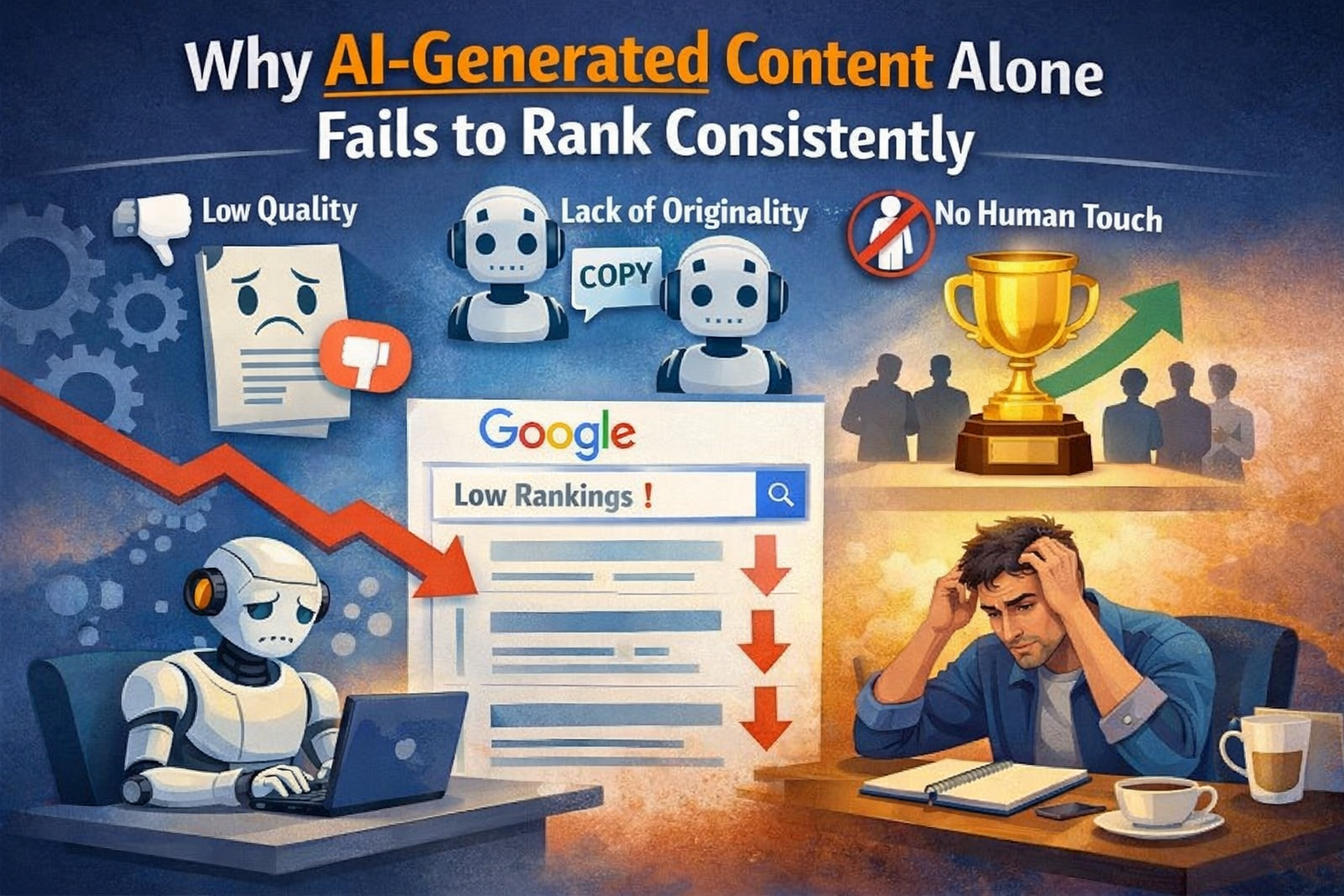
You published a batch of AI-written articles. You optimized the titles, checked the word counts, and hit publish with confidence. Then you watched the rankings — and what you saw was confusing. A couple of pages climbed. Most flatlined. A few ranked for a week or two and then quietly disappeared.
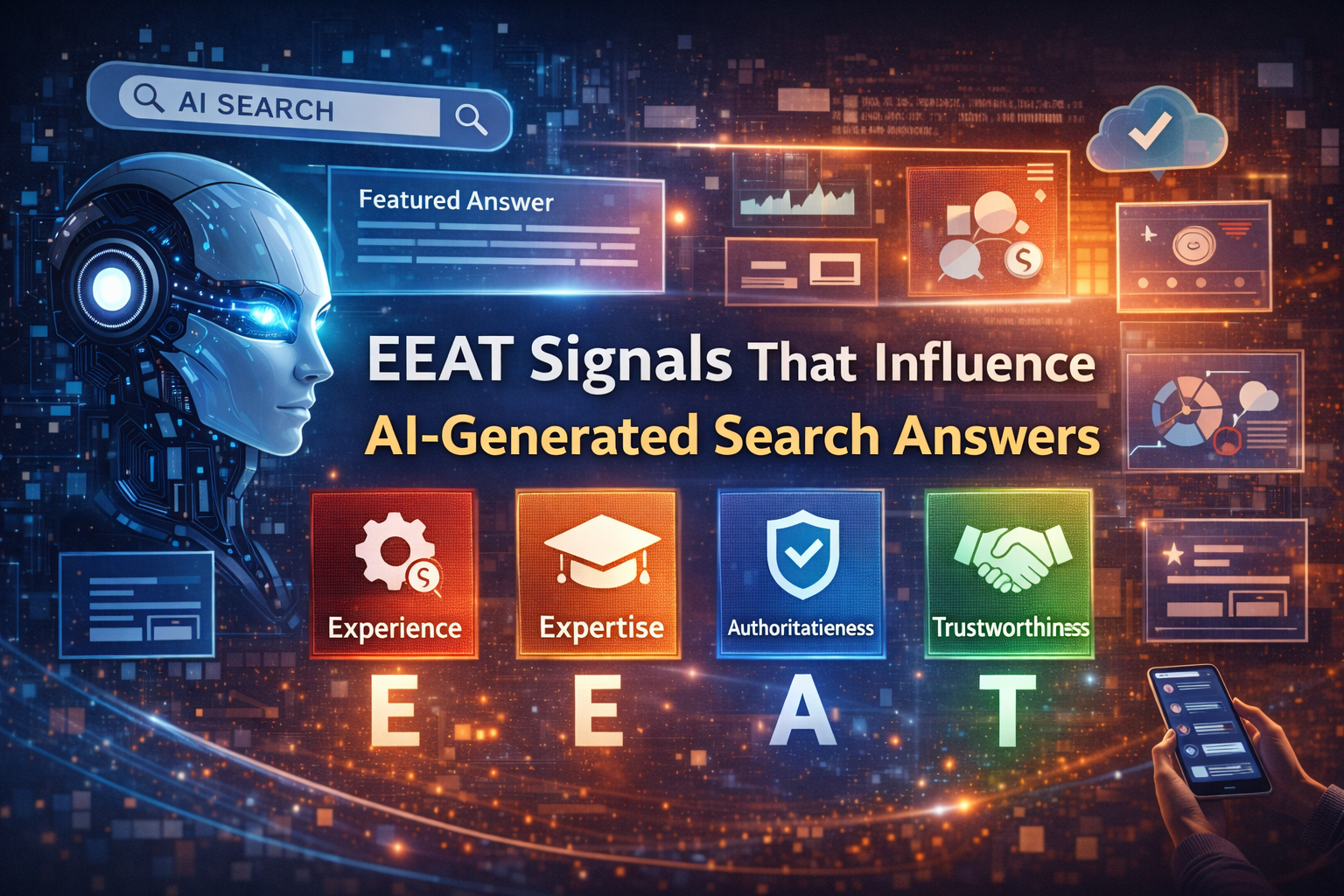
Understanding the Role of EEAT in AI Search: Artificial intelligence is revolutionizing how we search for information, with AI tools now delivering direct answers, summaries, and insights right on the search page. Gone are the days when users had to click through multiple links to gather relevant information. Instead, AI-powered search engines like Google's AI Overviews or ChatGPT now provide concise answers drawn from a variety of sources.
Traditional search engine optimization is undergoing a major shift. Optimizing pages solely for standard search result pages is no longer a complete strategy, as audiences increasingly turn to conversational AI platforms for direct answers, bypassing the keyword search box entirely.
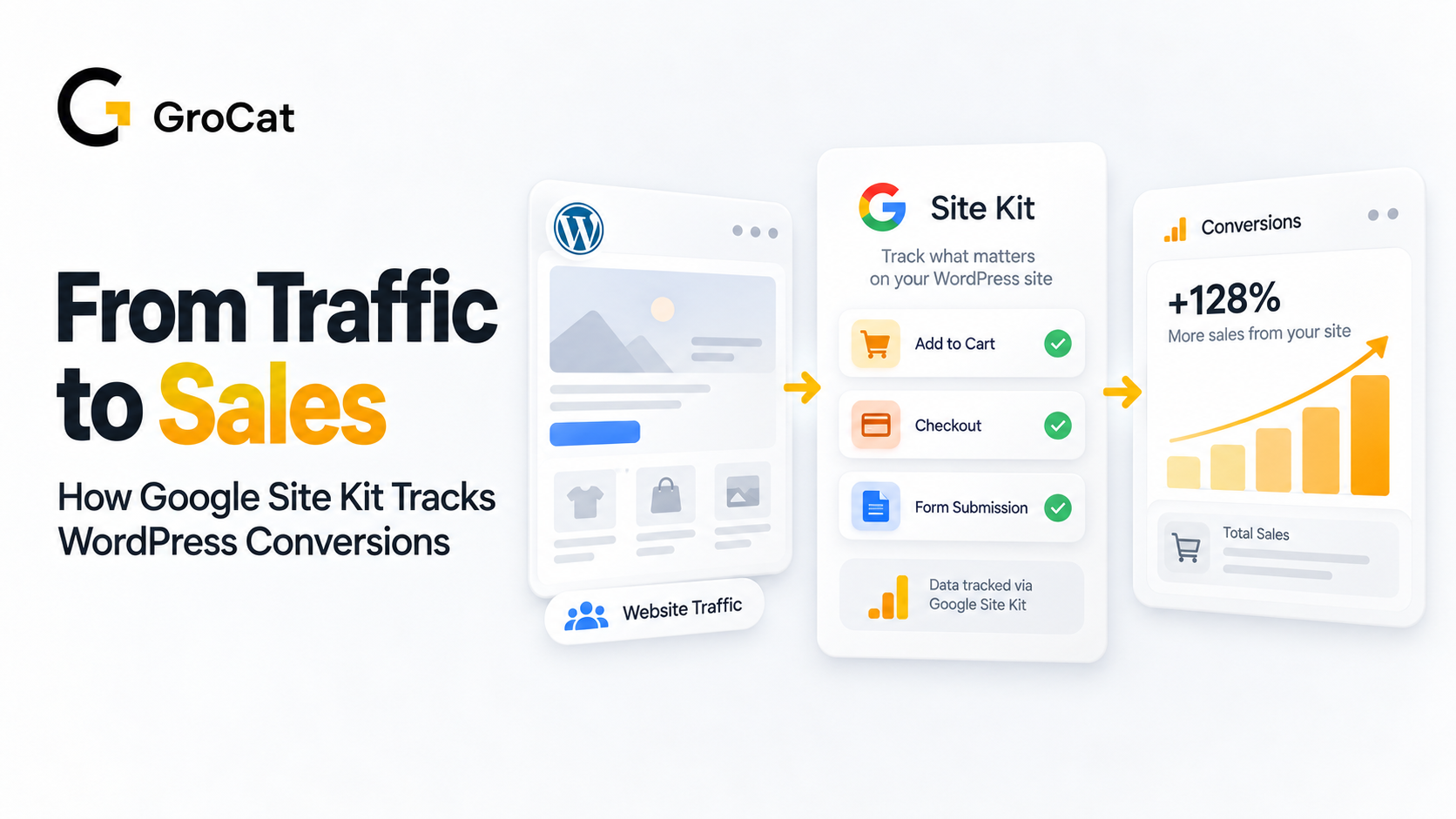
If you run a WordPress site, you already know the drill — you install Google Analytics, wait for data, then spend hours in GA4 trying to figure out whether that traffic spike actually turned into cart checkouts or form submissions. Google has just made that a lot easier with Site Goals, a new feature inside its official Site Kit plugin for WordPress.