Understanding the Role of EEAT in AI Search
Artificial intelligence is revolutionizing how we search for information, with AI tools now delivering direct answers, summaries, and insights right on the search page. Gone are the days when users had to click through multiple links to gather relevant information. Instead, AI-powered search engines like Google's AI Overviews or ChatGPT now provide concise answers drawn from a variety of sources.
But how does AI determine which sources to trust and cite in these summaries? This is where EEAT (Experience, Expertise, Authoritativeness, and Trustworthiness) comes into play. EEAT signals are crucial in the world of AI-generated search answers, as they help the AI determine whether the content it draws from is reliable, accurate, and valuable to users. In this article, we’ll dive into how EEAT affects AI citations, why it matters for SEO, and how businesses can enhance their online presence by optimizing for these key signals.
What Is EEAT, and Why Does It Matter for AI Search?
The Four Pillars of EEAT
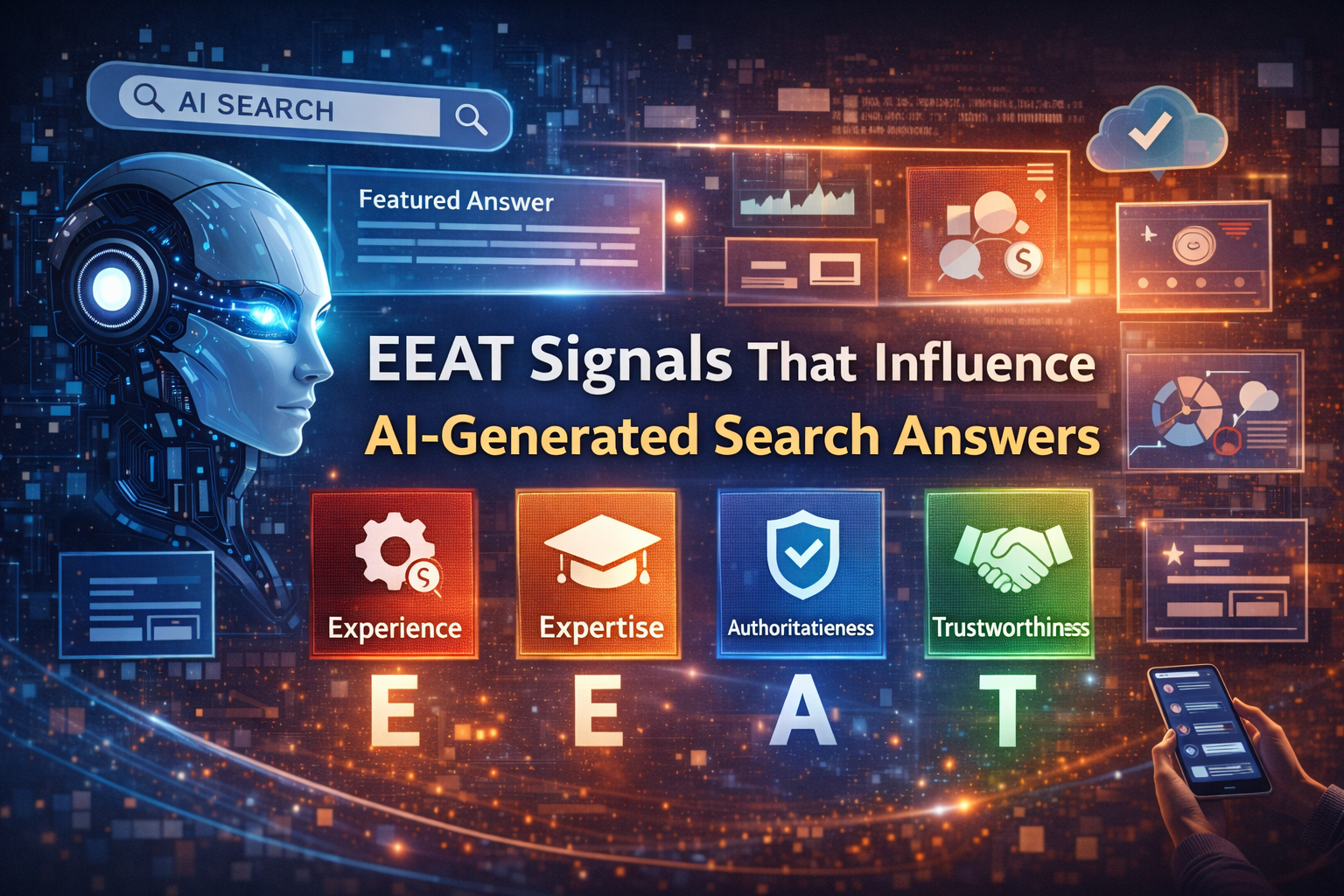
EEAT stands for Experience, Expertise, Authoritativeness, and Trustworthiness. These four pillars help search engines, and more recently AI-powered engines, evaluate the quality of content and determine if it is suitable for citation in a search result. Here’s a breakdown of each:
- Experience: Refers to whether the content creator has firsthand knowledge or experience in the topic they are writing about. In AI-driven search, content with authentic, real-world experience is prioritized.
- Expertise: This signals how much knowledge or proficiency the content creator holds in a specific field. AI engines prefer content written by recognized experts in a given domain, especially in technical or specialized subjects like medicine, law, or finance.
- Authoritativeness: AI engines use this to assess whether the content is being published on a reputable platform, blog, or site. Sites with a strong online presence and established reputation in their industry will rank higher in AI citations.
- Trustworthiness: For AI to cite content, it must come from a reliable and credible source. Trust signals include security features (SSL certification), a history of accurate content, transparent information, and positive user feedback.
Why EEAT Is Key for AI Citations
AI-powered search engines don't simply look for content that fits a keyword; they seek content that meets the standards of EEAT. Since AI tools rely on large datasets and sophisticated algorithms to generate answers, they prioritize sources that align with these four qualities. Content that demonstrates strong EEAT signals is more likely to be cited in AI-generated answers, increasing visibility and trust with users.
How AI-Generated Search Answers Use EEAT Signals
1. AI's Selection Process: Evaluating Content for Relevance and Quality
AI systems need to sift through vast amounts of information to select the best sources. To do this, they evaluate EEAT signals to determine which sources meet the highest standards. Here’s how:
- Content Provenance: AI tools often trace the origin of content back to trusted domains or authors. This helps ensure that AI citations come from reliable sources with strong authority and historical credibility.
- Semantic Relevance: AI doesn’t just match keywords. It looks at content's semantic relevance—does the content fully answer the user's query, and is it detailed enough to be a valuable source?
- Cross-Referencing: AI engines often cross-check multiple sources to verify information. The more authoritative the source, the more likely it is to be cited. This is particularly crucial for industries with high-stakes information like health or law.
How to Optimize Your Content for AI Citations Based on EEAT
1. Demonstrate Expertise and Experience
- Showcase Author Credentials: Highlight the qualifications, experience, and credentials of your content creators. Mention their professional background, certifications, or case studies that prove their expertise in the field.
- Provide Real-World Examples: Whenever possible, include examples, case studies, or personal experiences to add depth and authenticity to your content. AI favors content that reflects firsthand knowledge or well-documented expertise.
- Focus on Accuracy: Ensure that the information you present is accurate and up-to-date. Regularly update your content, especially in fields like technology or health, where information changes frequently.
2. Build Authoritativeness Through Quality Content and Backlinks
- Publish on Reputable Platforms: Aim to get your content published on websites that are known for their industry authority. Partner with trusted platforms or collaborate with well-known experts in your field.
- Earn Backlinks from Authoritative Sites: Backlinks from respected websites act as a vote of confidence in your content’s authority. AI engines recognize these signals and will prioritize content with a higher volume of quality backlinks.
- Create In-Depth, Long-Form Content: AI engines tend to favor detailed content that thoroughly addresses a topic. Long-form content demonstrates your site’s authority in a subject area.
3. Establish Trustworthiness with Transparent Practices
- SSL and Security Features: Secure your website with an SSL certificate to show that your site is safe to visit. AI engines use this as an indicator of trustworthiness.
- Cite Reliable Sources: Always cite reputable sources and ensure that your content is based on reliable, fact-checked data. If your content contains claims that could affect readers’ decisions (e.g., health or finance), ensure they are backed by credible studies or references.
- User Reviews and Testimonials: Positive feedback from users helps to enhance your trust signals. Encourage customers to leave reviews and provide feedback to build trust with both AI engines and potential visitors.
EEAT for AI Search: Practical Applications and Insights
1. AI in Healthcare: Optimizing for Accuracy and Trust
In the healthcare industry, AI-generated search answers could revolutionize the way patients access information. Here, EEAT signals are critical:
- Experience: Medical content should be authored by licensed healthcare professionals or experts in the field to meet AI’s credibility standards.
- Expertise: Detailed content written by doctors or researchers in specific medical fields will be prioritized by AI engines.
- Trustworthiness: Websites with clear privacy policies, certifications, and secure user data handling will be more likely to have their content cited by AI-powered search engines.
2. Legal Content: Ensuring Authoritativeness and Transparency
In legal fields, AI will need to be highly discerning to cite only trustworthy sources. Legal websites and blogs that demonstrate:
- Experience: Content written by practicing lawyers or legal experts is more likely to be referenced by AI.
- Authoritativeness: Legal sites with a reputation for accuracy and authority, including case law references and citations, will be prioritized by AI engines.
- Trustworthiness: Legal sites should provide clear terms of service, privacy policies, and authoritative references to build trust with both AI engines and readers.
Enhance Your Content for AI Search Success
EEAT signals are essential for improving your chances of being cited by AI-powered search engines. By focusing on expertise, authoritativeness, and trustworthiness, you can increase your visibility in AI-generated search answers, driving more traffic to your site and building credibility with your audience.
Ready to optimize your content for AI citations? Start by improving your site’s EEAT signals today, and position your content to be featured in the next generation of AI-driven search results.