The Shift in Search Behavior and the Promise of GEO
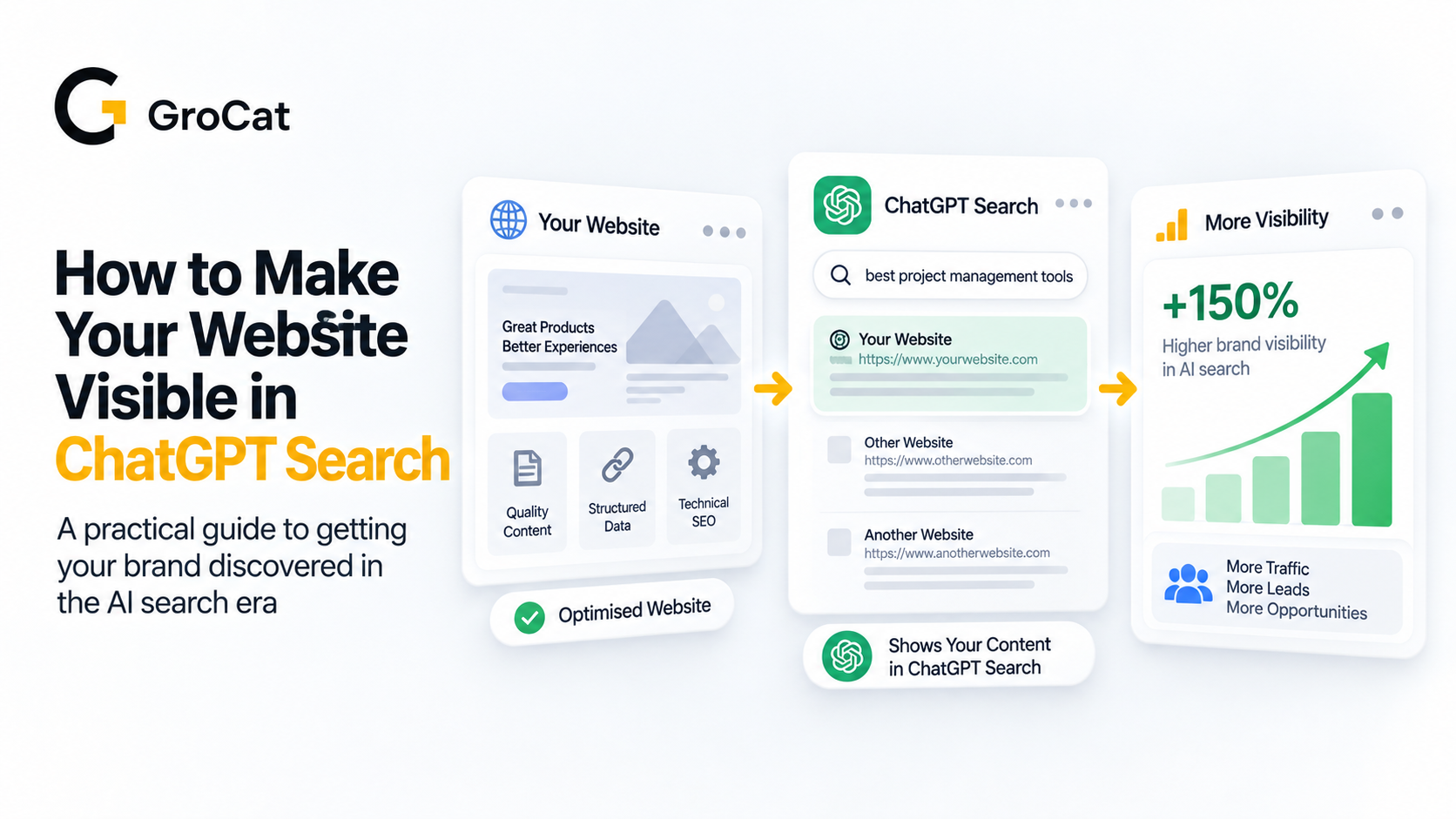
Search engines are evolving at lightning speed. Gone are the days of traditional search results where users sifted through multiple links. Thanks to advancements in AI-powered search technologies like ChatGPT, Gemini, and Google's AI Overviews, users are now receiving immediate, summarized answers to their queries—without ever clicking through to a website.
For businesses, this shift presents a challenge: if you're not cited in these AI-driven summaries, you're at risk of losing visibility, even if your website ranks highly in traditional search results. This is where Generative Engine Optimization (GEO) steps in. GEO is the new frontier of digital marketing that focuses on optimizing content not just to rank but to be referenced and trusted by AI engines.
In this article, we will dive deep into what GEO is, why it matters for your business, and how to implement it for long-term success in this new search landscape.
What is Generative Engine Optimization (GEO)?
The Concept of GEO: A New Paradigm in SEO
Generative Engine Optimization (GEO) is the process of optimizing content and website structures so that AI-driven engines—like those behind Google’s Featured Snippets or AI tools such as ChatGPT—select and reference your content when generating direct answers to user queries.
While traditional SEO is focused on ranking your website as high as possible on search engines, GEO focuses on optimizing for AI engines that generate immediate, summarized responses. In essence, you're not just ranking your content on the SERPs anymore, you're ensuring it is part of the conversation that AI provides directly to the user.
This shift is pivotal as AI-powered search is rapidly overtaking traditional search engine traffic. According to industry reports, more than 60% of searches now end without a click, meaning users get the information they need directly from AI-generated responses.
Why GEO Matters: The Shift Toward AI-Powered Search
1. The Emergence of AI-Driven Search
AI tools like ChatGPT, Perplexity, and Google's AI Overview function differently from traditional search engines. Rather than providing users with a list of links, these AI engines pull information from a wide variety of sources and deliver synthesized answers. For businesses, this means:
- Increased competition for visibility: It’s no longer enough to have a high-ranking website; your content needs to be referenced directly by AI to be seen.
- AI as a gatekeeper: AI engines now act as a filter between your business and your audience. If your content isn't part of that filter, you could be invisible to potential customers.
2. The Shift in User Expectations
Consumers expect quick answers, not just a list of links to click on. AI engines have made this shift clear. With AI tools giving users direct responses, businesses must adapt to ensure their content is cited.
For example:
- If someone searches "best cloud solutions for SMBs," and an AI tool like ChatGPT provides a direct answer, the businesses whose content is featured are the ones that win the customer’s attention.
How GEO Works: Building for AI Search Engines
1. Optimizing Content for AI Citing
For your website content to be selected by AI engines, it needs to be structured in a way that is easy for these engines to understand and cite. Here’s how:
- Structured Data: Implementing schema markup is critical. Structured data helps search engines and AI tools understand your content better, making it more likely to be cited.
- Clear, Concise Content: Keep your content straightforward and to the point. AI engines prioritize brevity and clarity when selecting information to present in their answers.
- Topic Authority: AI engines rely on content that is authoritative and well-researched. It’s essential to build credibility and trust, both through content depth and external signals like backlinks and social validation.
2. Entity Optimization: Becoming an Authority
AI tools rely heavily on entities—specific pieces of data that help these tools understand who or what you're talking about. For example, if you’re writing about a brand, like "ManaSprint," it helps to associate this brand with related terms like “UPSC prep,” “flashcards,” and “competitive exams.”
By enhancing your content with structured entities, you increase the chances of being cited by AI engines.
GEO for Businesses: Practical Steps to Implementation
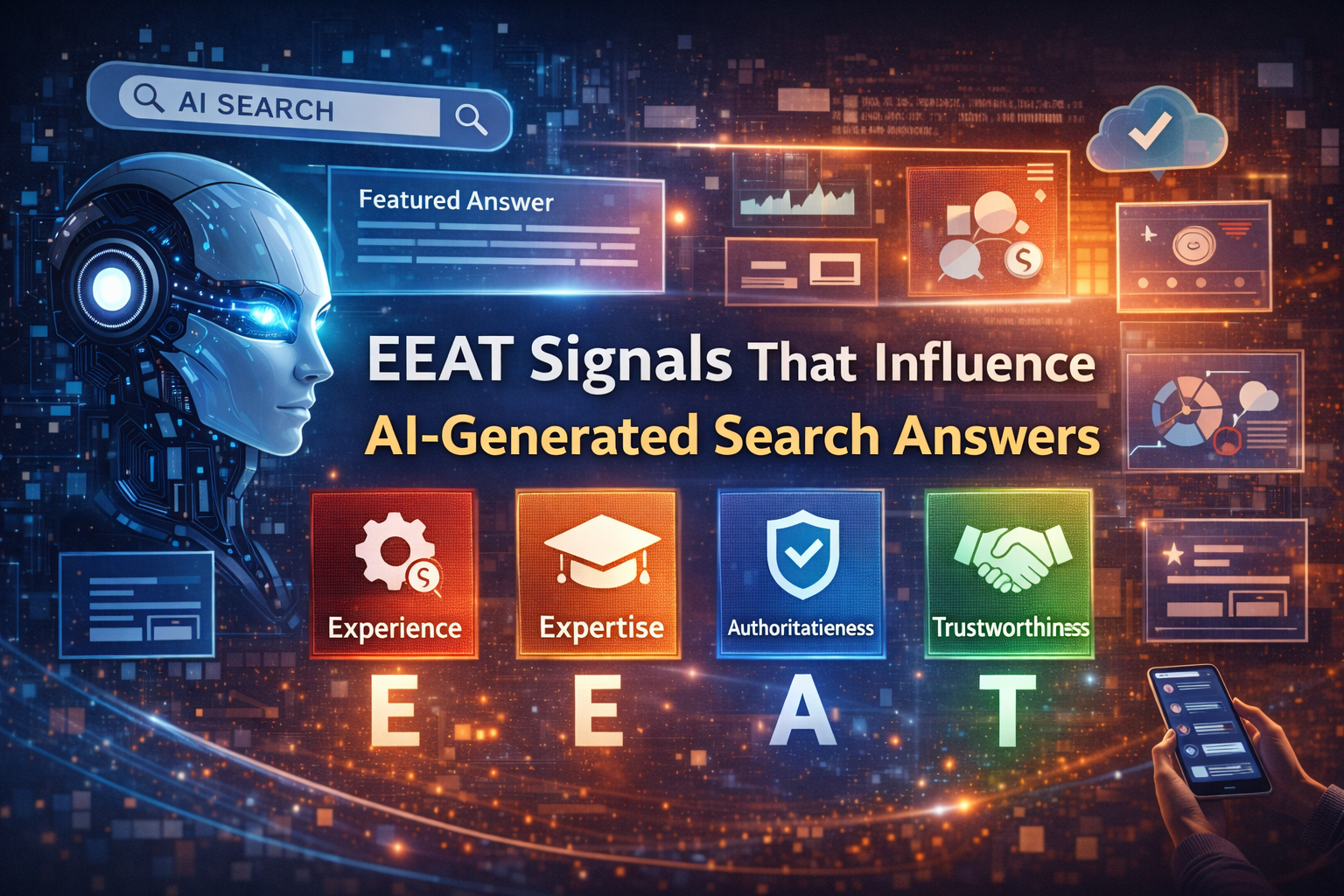
1. Shift Your Focus to E-E-A-T (Experience, Expertise, Authoritativeness, Trustworthiness)
E-E-A-T is becoming more important in the age of AI. AI tools value content that demonstrates:
- Expertise: Highlight your industry knowledge and provide value through well-researched, insightful content.
- Authoritativeness: Include data, case studies, and citations from reputable sources to boost trust.
- Trustworthiness: Ensure your website follows best practices in terms of security, accuracy, and transparency.
2. Optimizing for Featured Snippets and AI Content Sourcing
Featured snippets are a key way AI tools gather information. To optimize your content for these snippets:
- Use bullet points and numbered lists for quick, scannable answers.
- Answer common questions directly in your content.
- Structure your content so that it’s easy for AI to pull from, such as using clear subheadings and paragraphs.
Example:
If you’re writing a piece on "How to Prepare for UPSC Exams," create a succinct list of steps that could easily be pulled into a Featured Snippet.
3. Monitor and Adapt to AI Trends
AI-powered search engines are rapidly evolving. Regularly monitor AI trends and adjust your content strategy accordingly. Be proactive in researching the latest AI tools and how they are reshaping the search landscape.
The Future of GEO: Preparing for 2026 and Beyond
As more businesses begin to focus on GEO, we will likely see a growing need for real-time content updates, a heavier reliance on structured data, and even more emphasis on machine-readable content. For businesses, this means:
- Continuous learning and adaptation: GEO will require ongoing experimentation and monitoring of AI trends.
- AI collaboration: Businesses will need to develop strategies to work alongside AI, ensuring their content is consistently referenced.
Ready to Embrace the Future of Search?
Generative Engine Optimization is reshaping how businesses approach SEO. It’s no longer enough to just rank high on search engines—your content needs to be cited by AI engines. By optimizing for GEO, you can ensure that your business stays visible in the age of AI-driven search.
Ready to adapt your SEO strategy to the future of search? Start by implementing structured data, improving your content’s authority, and staying informed about AI trends. It’s time to take your business visibility to the next level.


%20Really%20Means%20for%20Businesses.png)