The Revolution in Search Engine Ranking
Search engines are no longer what they used to be. With the rise of AI-powered tools like ChatGPT, Perplexity, and Google’s AI Overviews, the way information is retrieved, processed, and presented to users has undergone a monumental shift. Traditional search engines focused on ranking links; now, AI-powered search engines generate direct answers and summaries from multiple sources, completely transforming user search behavior.
But how do these AI systems decide which sources to feature? How do they "rank" content in a world where search is becoming more conversational and less about navigating a list of links? In this article, we will dive into how AI-powered search engines select and rank sources, explore the underlying mechanisms, and provide insights on how businesses can adapt to this new landscape.
What Is AI-Powered Search, and Why Does It Matter?
The Rise of AI in Search Engines
Traditional search engines work by crawling the web, indexing pages, and ranking them based on factors like keyword relevance, backlinks, and page authority. This system worked for years, but the introduction of AI-powered search engines has created a new paradigm. These AI engines—like Google’s AI Overview and tools like ChatGPT—are designed to:
- Understand the user’s intent: AI doesn't just match keywords; it tries to understand the context and nuances behind a search query.
- Provide synthesized answers: Instead of offering multiple links, AI delivers a concise, relevant summary to answer the query directly.
- Rank based on data relevance: AI ranks content based on how well it aligns with the user’s needs, drawing from diverse, real-time data sources.
For businesses, this shift means that being listed in traditional search results is no longer enough. If you're not cited in an AI-powered response, you're missing out on a huge opportunity for visibility.
How Do AI-Powered Search Engines Select Sources?
1. The Role of Machine Learning in Content Selection
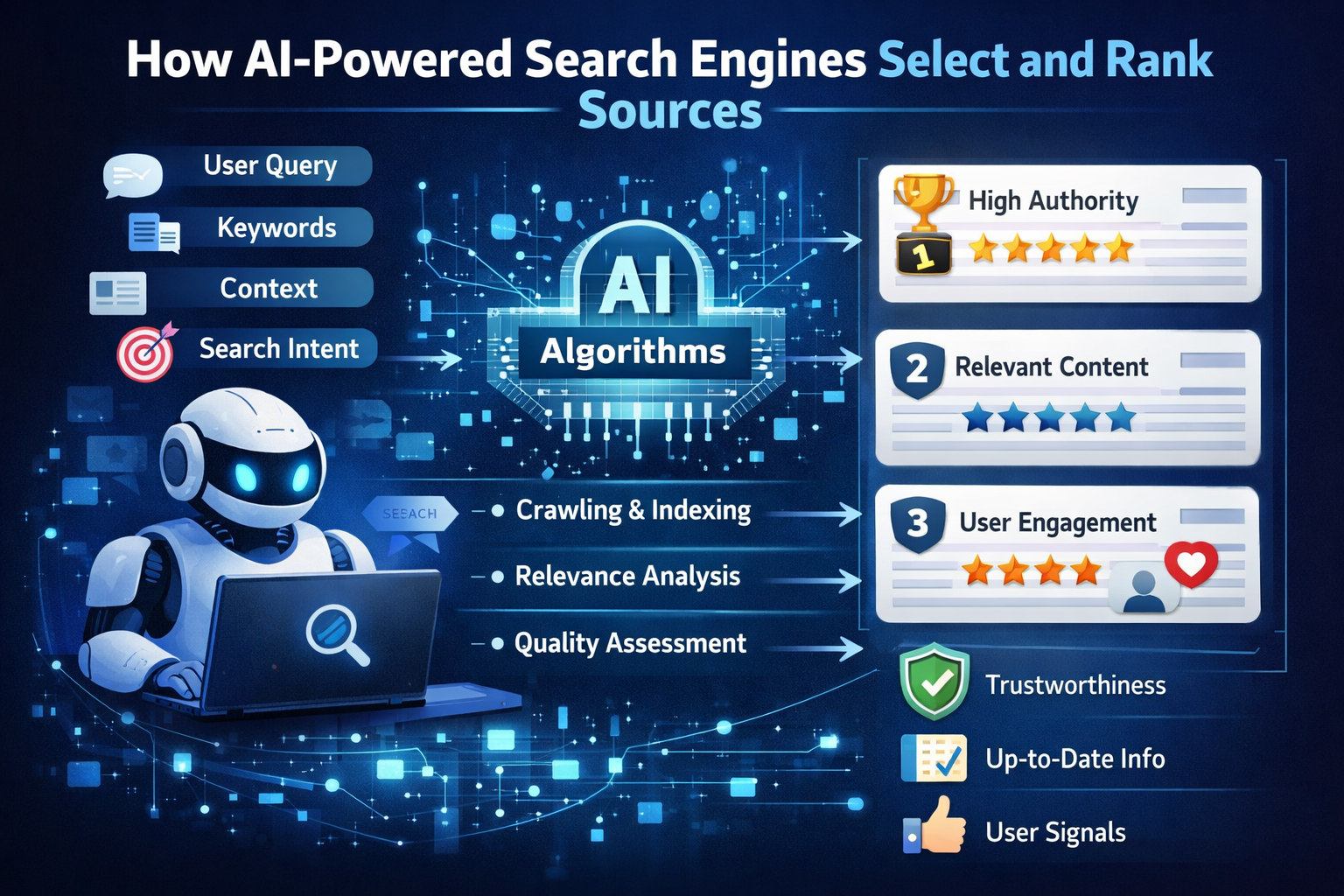
At the core of AI-powered search is machine learning. AI engines continuously learn from user behavior, content interaction, and real-time data. Here's how the selection process works:
- Contextual Understanding: AI learns from vast datasets to understand context, user intent, and the intricacies of search queries. This ensures that content is not just relevant to keywords but to the broader query context.
- Relevance Over Keywords: While keywords still play a role, AI gives more weight to the context and quality of content. For example, if a user searches for “how AI impacts SEO,” an AI engine won’t just look for pages with those keywords—it will find content that provides insightful, in-depth answers about AI’s role in SEO.
- Natural Language Processing (NLP): AI uses NLP techniques to evaluate the structure and readability of content. This is why well-structured, clearly written content is often favored in AI-generated responses.
2. Data Aggregation and Multi-Source Citation
AI-powered engines pull from multiple sources to create their responses. This means that content from authoritative, well-researched sources is more likely to be included. AI’s data aggregation model looks for:
- Authoritative Content: AI tends to prioritize sources with high domain authority, such as well-established websites, academic journals, and recognized experts.
- Freshness of Data: For certain queries, particularly in fast-changing fields like technology, AI engines will prioritize the most up-to-date content to ensure relevance.
- Variety of Sources: AI draws from a diverse set of sources to ensure balanced and comprehensive answers. This ensures that responses are not biased toward a single perspective or source.
Factors AI Uses to Rank Content
1. Expertise, Authoritativeness, and Trustworthiness (E-A-T)
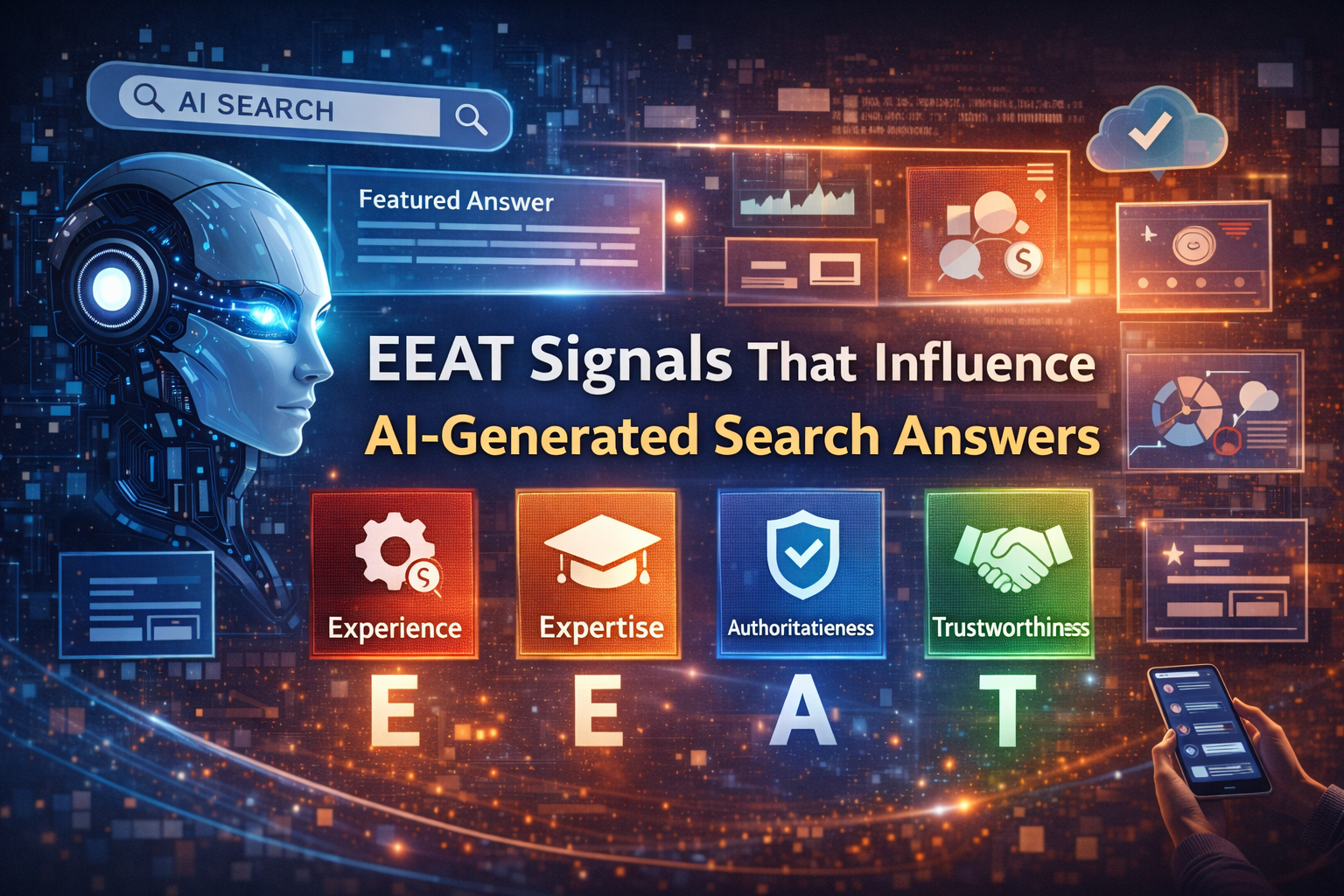
One of the main principles guiding AI-powered search is E-A-T: Expertise, Authoritativeness, and Trustworthiness. This concept is not new to SEO, but AI engines place even more emphasis on it. Here’s why it matters:
- Expertise: Content that demonstrates clear expertise, such as content written by professionals, researchers, or industry leaders, is more likely to be selected by AI engines.
- Authoritativeness: Websites with a strong reputation and credible backing, such as academic institutions or major corporations, are considered authoritative and are more likely to be featured.
- Trustworthiness: AI values content from sources that have a track record of accuracy and reliability. This includes checking for proper citations, avoiding fake news, and ensuring transparent data sources.
2. Semantic Relevance and Structured Data
- Semantic Relevance: AI-powered search engines understand the meaning behind words. This allows them to match content that is semantically relevant to a user’s query, even if the specific keywords don’t match exactly.
- Structured Data: Schema markup is essential for helping AI engines understand the content’s context. Websites that implement structured data (like product information, reviews, and articles) give AI engines the context needed to rank content accurately.
3. User Experience and Engagement Metrics
AI engines also factor in user experience (UX) and engagement metrics. They track how users interact with a website—whether they stay on the page, click through other links, or bounce back to search results.
- Low Bounce Rate: Content that keeps users engaged is more likely to be seen as relevant and helpful by AI engines.
- Time Spent on Page: If users spend more time on your page, it signals to AI that the content is valuable and informative.
How Can Businesses Adapt to AI-Powered Search?
1. Optimize for User Intent
AI-powered engines prioritize user intent over keywords. To adapt, businesses should:
- Focus on Content Depth: Write detailed, informative content that thoroughly answers questions. Avoid surface-level content that fails to address the core of the user’s query.
- Structure Content for Readability: Use clear headings, bullet points, and easy-to-digest paragraphs to make your content more likely to be featured by AI.
2. Build E-A-T Signals
To enhance your chances of being selected by AI, focus on improving your site’s E-A-T:
- Publish High-Quality, Authoritative Content: Ensure your content is accurate, well-researched, and written by experts.
- Acquire Quality Backlinks: Earning backlinks from authoritative websites can improve your site's perceived authority and trustworthiness.
3. Embrace Structured Data and Semantic SEO
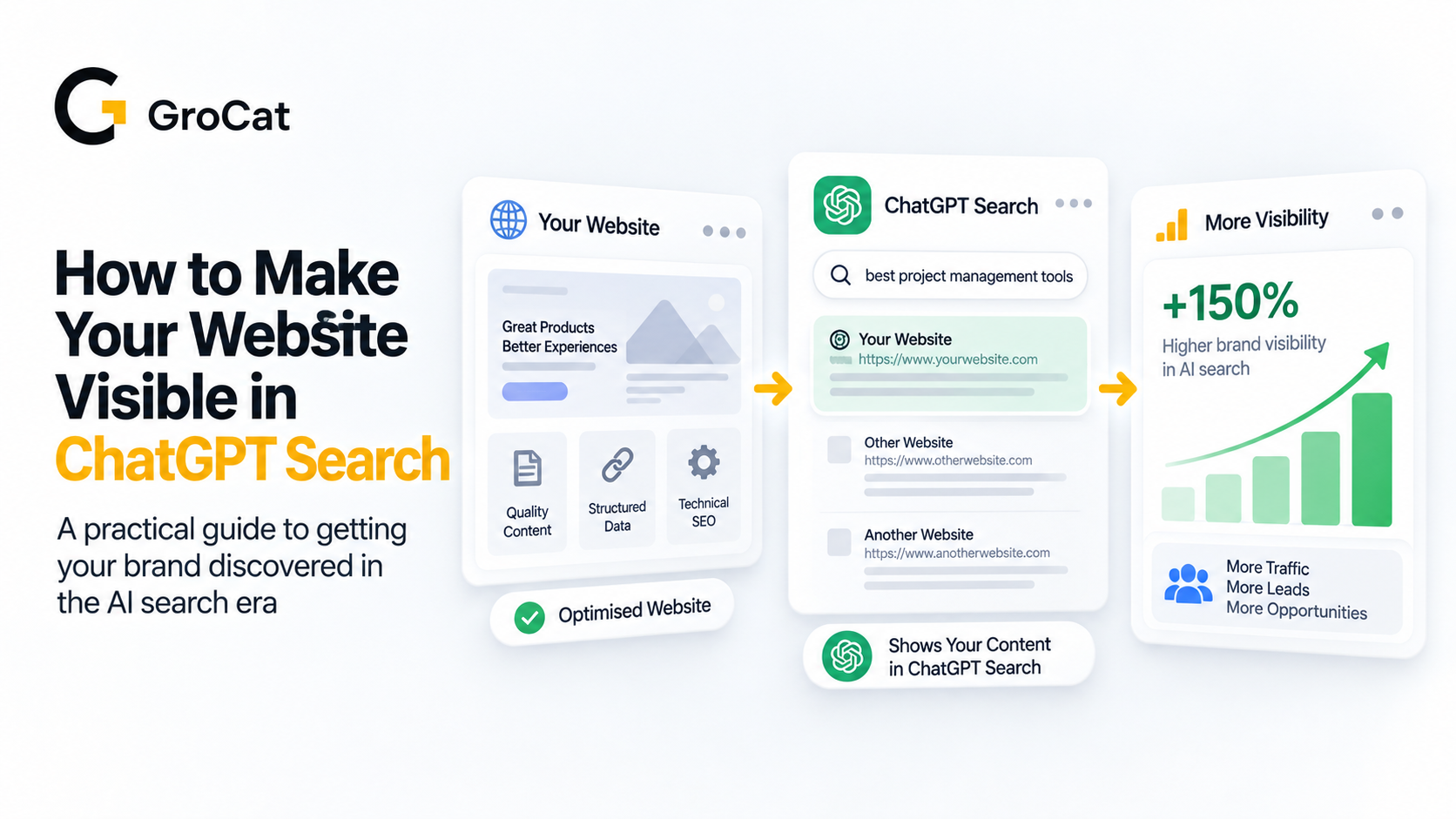
- Use Schema Markup: Implementing structured data (schema.org) helps AI engines understand your content and increases the likelihood of being cited in AI-generated responses.
- Optimize for Semantics: Focus on writing content that addresses the broader context of a query rather than relying on exact keyword matches.
Ready to Adapt to AI Search?
As AI continues to reshape search engine behavior, businesses must adapt to stay visible in the new landscape. Focusing on user intent, improving E-A-T signals, and leveraging structured data are all crucial steps to ensure your content is selected and ranked by AI-powered search engines.
Ready to future-proof your SEO strategy? Start optimizing your content for AI today, and stay ahead of the curve in the evolving search engine landscape.