Oops! Something went wrong while submitting the form.
July 9, 2026
Google Search Console Adds Reports for Social Posts: What Marketers Need to Know
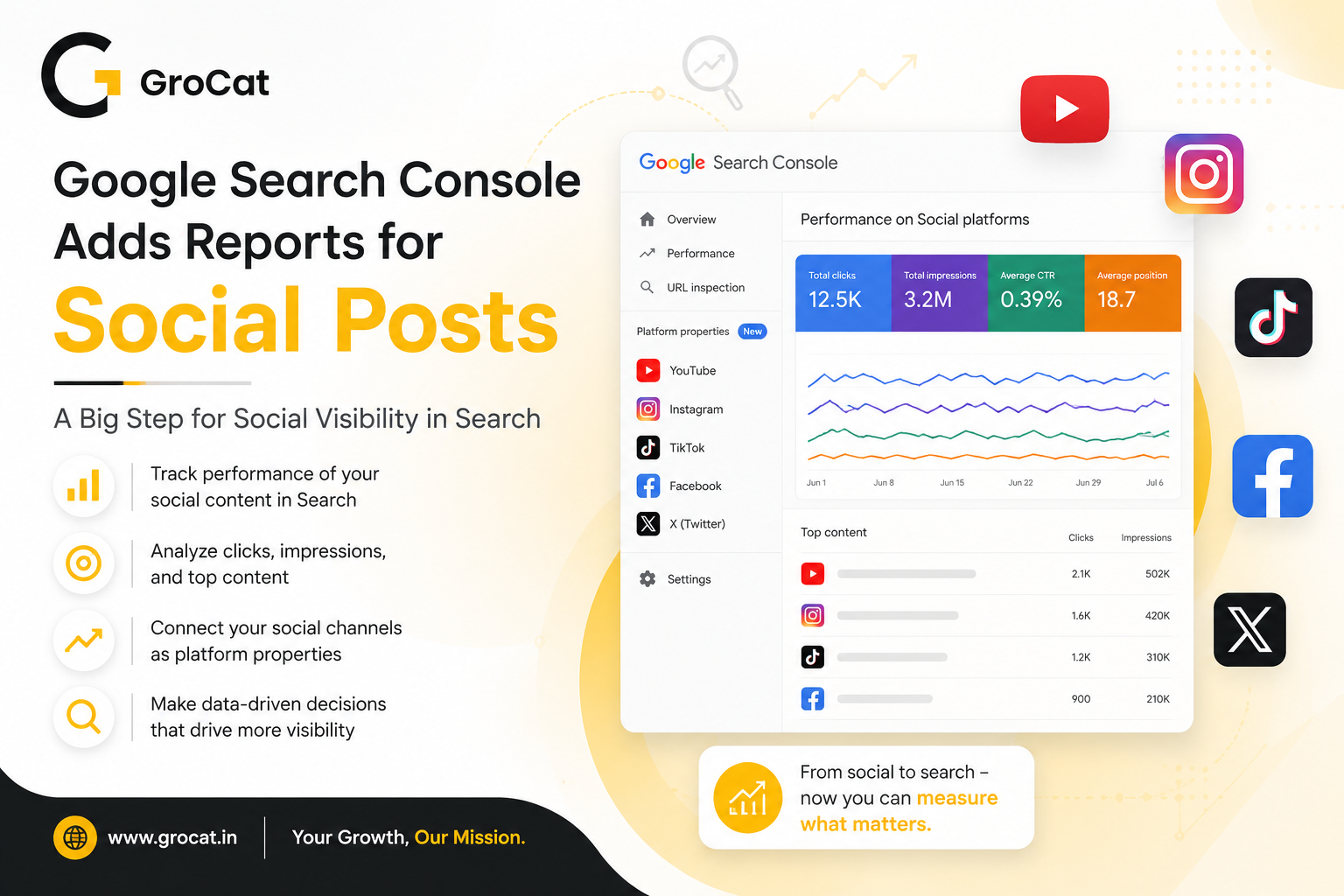
Google has taken another step toward connecting search and social visibility. Its new platform properties feature allows creators, publishers and brands to understand how social and video content performs across Google Search and Discover.
It changes how we measure content discovery beyond websites. Social Media Posts can now be reviewed through search-focused data, showing which queries and posts are earning attention from Google users.
What Are Platform Properties in Google Search Console?
Platform properties are a new property type for social and video accounts. At launch, Google supports Instagram, TikTok, X and YouTube. Once an eligible account is connected, users can review how its content performs in Search and Discover.
A creator or business does not need a verified website to access this data. Google is rolling the feature out gradually, so it may not appear in every account immediately.
What Reports Will Be Available?
The new Social channels in search console setup includes three reporting areas:
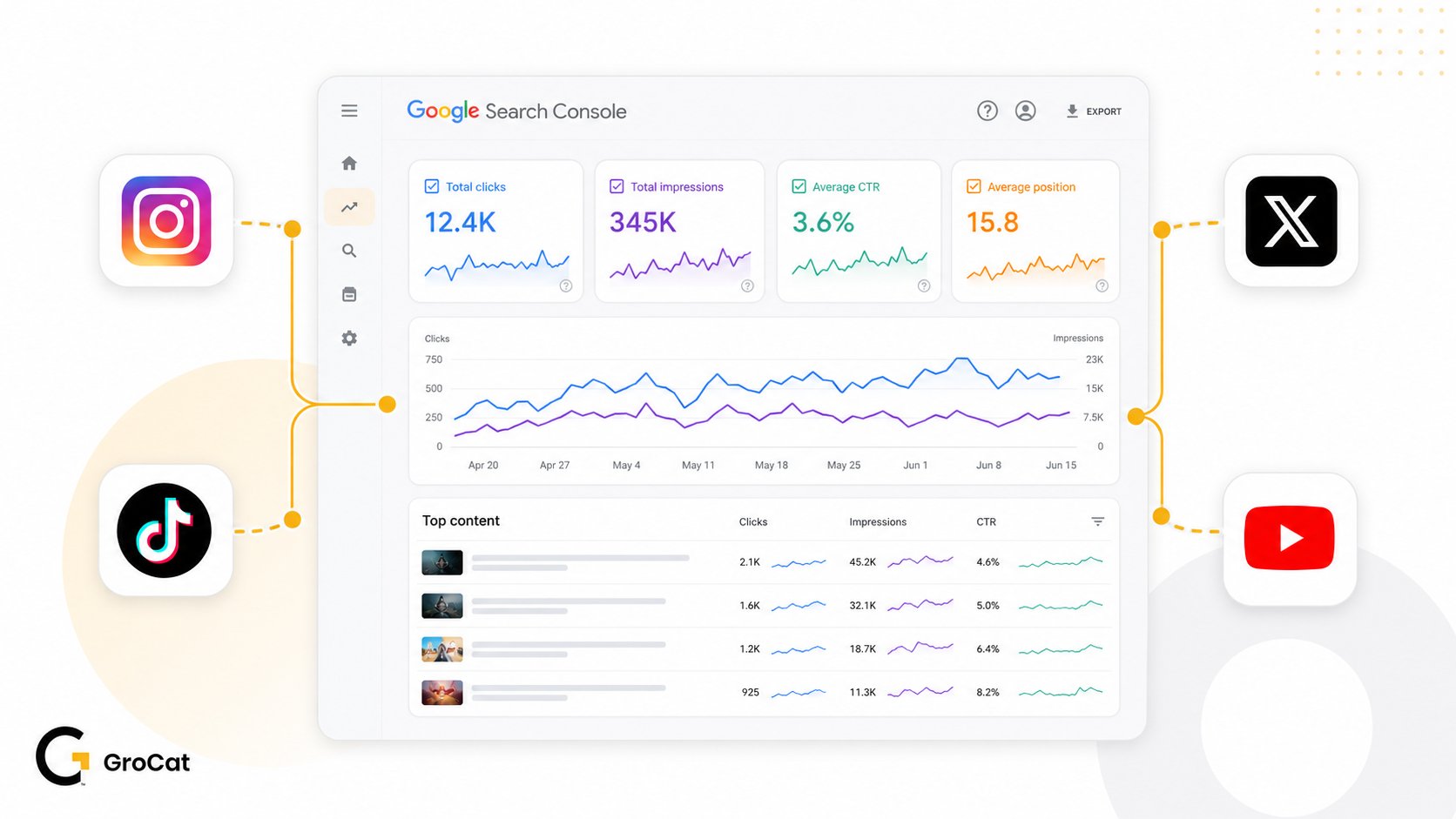
Performance report: View clicks, impressions and related metrics. Filter by post or query and export the data.
Insights report: Review traffic trends, top-performing posts and how people discover the account through Google.
Achievements: Track click milestones reached within a 28-day period.
This closes a long-standing measurement gap. Marketers could already study website queries and engagement inside social apps. Now, teams can see how social content attracts traffic from Google.
Why This Update Matters for SEO and Social Media Teams
Search behaviour is no longer limited to webpages. Users often discover tutorials, reviews and expert opinions through social profiles shown in Google results.
For businesses, the update creates four practical opportunities:
1. Identify Search Demand Behind Social Content
Marketers can see the search terms leading users to Instagram, TikTok, X or YouTube content. These queries can guide captions, video titles, FAQs and blog topics.
2. Connect SEO and Social Planning
A post performing strongly in search may reveal a topic worth expanding into a blog, landing page, reel series or YouTube video. Website keywords can also inspire new social content.
3. Measure Visibility Beyond Engagement
Likes and comments matter, but they do not explain the complete discovery journey. Search clicks and impressions add another layer to social media SEO analytics, especially for educational content.
4. Build a Stronger Content Ecosystem
The opportunity is to stop treating search and social as separate channels. One useful topic can become an article, short-form video, carousel, expert post and conversion page.
How to Add a Social or Video Platform Property
Open Google Search Console.
Use the property selector and choose Add property.
Select Instagram, TikTok, X or YouTube.
Complete the verification and authorisation steps.
Review the Performance, Insights and Achievements reports.
How Brands Should Use the New Data
After more than eight years working in SEO, one lesson remains consistent: more data does not automatically lead to better decisions.
Start with posts showing high impressions but low clicks. Their topics may be relevant, while their titles, thumbnails or opening lines need improvement. Next, look for queries appearing across both social content and website pages. These overlaps can highlight subjects where your brand is building authority.
Teams should also compare Search Console social performance with native platform engagement. A video may receive modest likes but still attract qualified visitors from Google.
This is where channel coordination matters. GroCat combines SEO, content and Social Media Management to help brands understand performance as one customer journey. Working with a data-led digital marketing agency in Bangalore can turn reports into clear priorities instead of another unused dashboard.
What This Means for Google Search Social Media
This update does not mean every social post will rank, and it does not replace platform analytics. It does show that Google search social media discovery and social media visibility in Google Search are becoming easier to measure.
Google Search Console is moving beyond website-only reporting. With platform properties, brands and creators can understand how social content earns visibility through Search and Discover, which topics attract users and where new opportunities exist.
The best response is not simply to connect an account. Use the findings to improve content across every channel. When SEO and social teams share data, brands can create more relevant content, improve discoverability and build a clearer path from search impression to customer action.
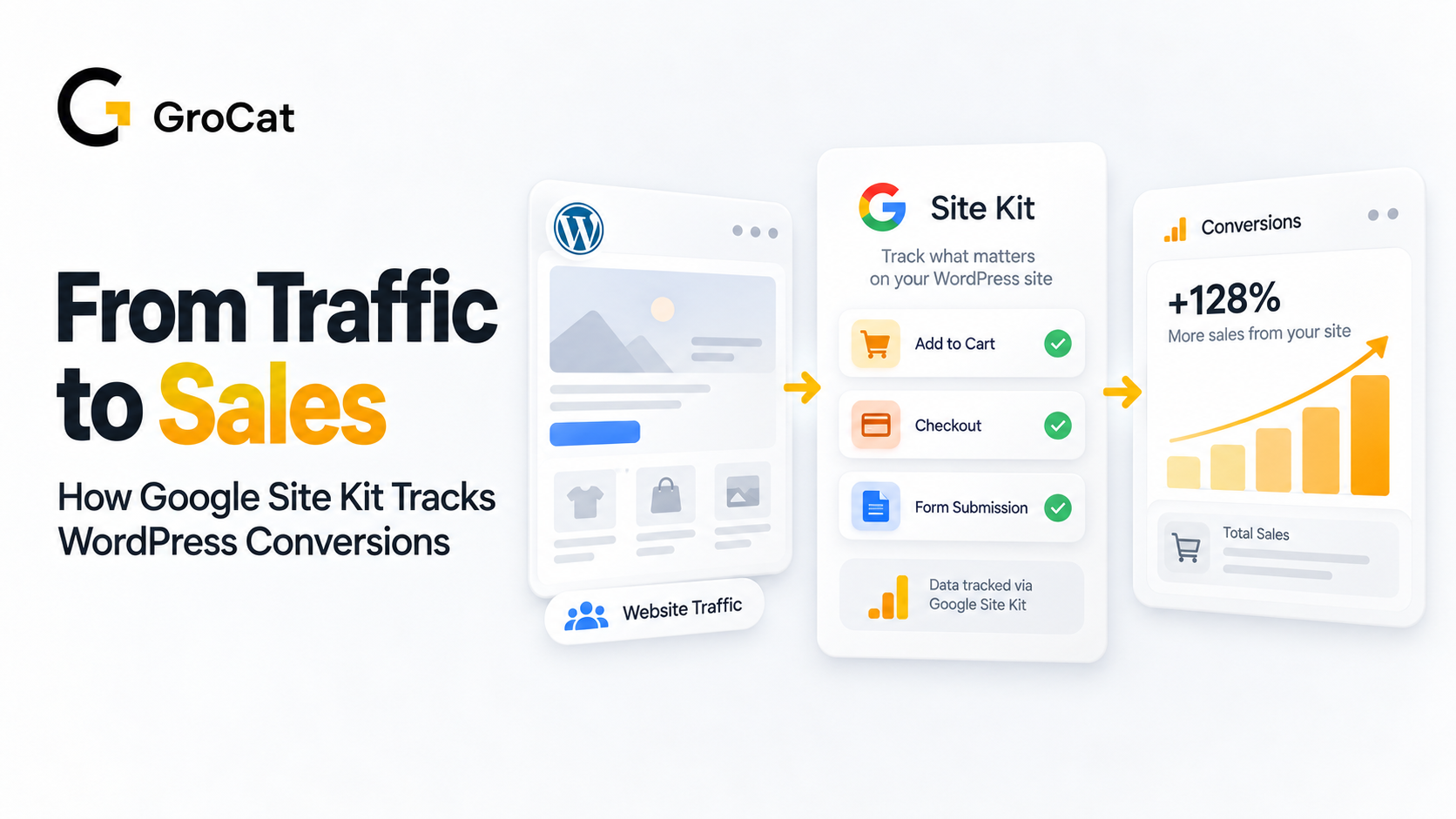
If you run a WordPress site, you already know the drill — you install Google Analytics, wait for data, then spend hours in GA4 trying to figure out whether that traffic spike actually turned into cart checkouts or form submissions. Google has just made that a lot easier with Site Goals, a new feature inside its official Site Kit plugin for WordPress.
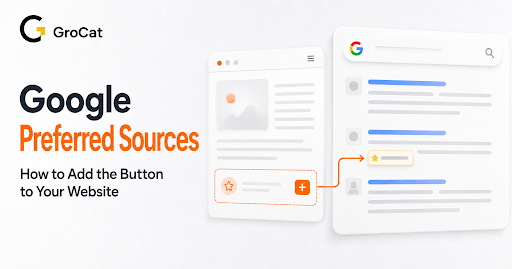
Search is becoming more personal. Google now allows users to select the websites they trust and want to see more often across specific Search experiences.
Google Search Console now lets brands track how social posts appear in Google Search and Discover. The new platform properties support Instagram, TikTok, X, and YouTube. Here’s what the update means for SEO, social media reporting, and content planning.
Traditional search engine optimization is undergoing a major shift. Optimizing pages solely for standard search result pages is no longer a complete strategy, as audiences increasingly turn to conversational AI platforms for direct answers, bypassing the keyword search box entirely.
If you run a WordPress site, you already know the drill — you install Google Analytics, wait for data, then spend hours in GA4 trying to figure out whether that traffic spike actually turned into cart checkouts or form submissions. Google has just made that a lot easier with Site Goals, a new feature inside its official Site Kit plugin for WordPress.