Oops! Something went wrong while submitting the form.
July 8, 2024
Google Analytics Introduces User Conversion Rate Metrics
Google Analytics now offers enhanced tools to help businesses track and improve their conversions by introducing user and session conversion rate metrics.
Highlights
New Metrics Added: Google Analytics now includes user conversion rate metrics.
Insightful Data: These metrics show the percentage of users or sessions that trigger key events.
Optimization Benefits: Helps businesses refine their marketing channels and enhance user experiences.
Update Overview
Google Analytics has incorporated two new metrics to measure user conversions:
User Key Event Rate
Session Key Event Rate
No need to add them manually! These metrics are already included in the familiar User Acquisition and Traffic Acquisition reports
Understanding the Metrics
User Key Event Rate: This metric calculates the percentage of users who perform a predefined key event, such as making a purchase or completing a sign-up. It is determined by dividing the number of users who completed the key event by the total number of users.
Session Key Event Rate: This metric measures the percentage of sessions that result in a key event conversion. It is determined by dividing the total number of key events by the total number of sessions.
Automatic Integration
Google Analytics automatically adds these metrics to the existing User Acquisition and Traffic Acquisition reports.
Availability
Current Google Analytics users with the User Acquisition and Traffic Acquisition reports integrated into their dashboards will automatically see the new metrics.
Benefits for Businesses
With more detailed insights into user engagement and conversion rates, businesses can make better-informed decisions about their marketing strategies, enhancing overall performance and user experience.
Microsoft Clarity has launched a new integration with Google Ads, providing marketers with enhanced visibility into post-click user behavior. This feature enables tracking of interactions, bridging the gap between ad spend and engagement metrics.
Enhance your YouTube video performance by understanding the unique ranking algorithms and discovery mechanisms. Unlike Google Search, YouTube focuses heavily on user engagement and satisfaction rather than metadata alone. Personalized recommendations, homepage suggestions, and trending videos all play key roles in content visibility.
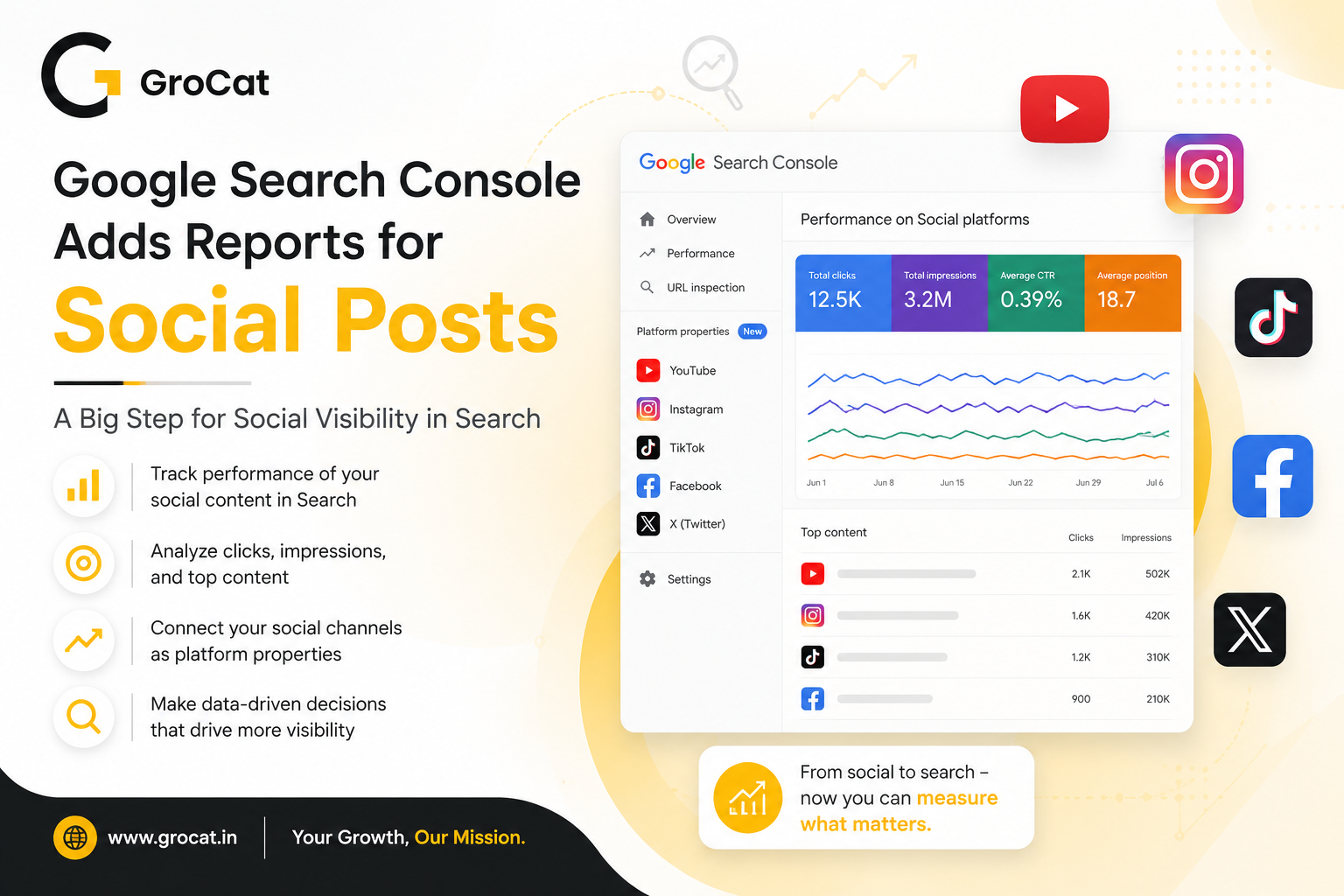
Google Search Console now lets brands track how social posts appear in Google Search and Discover. The new platform properties support Instagram, TikTok, X, and YouTube. Here’s what the update means for SEO, social media reporting, and content planning.
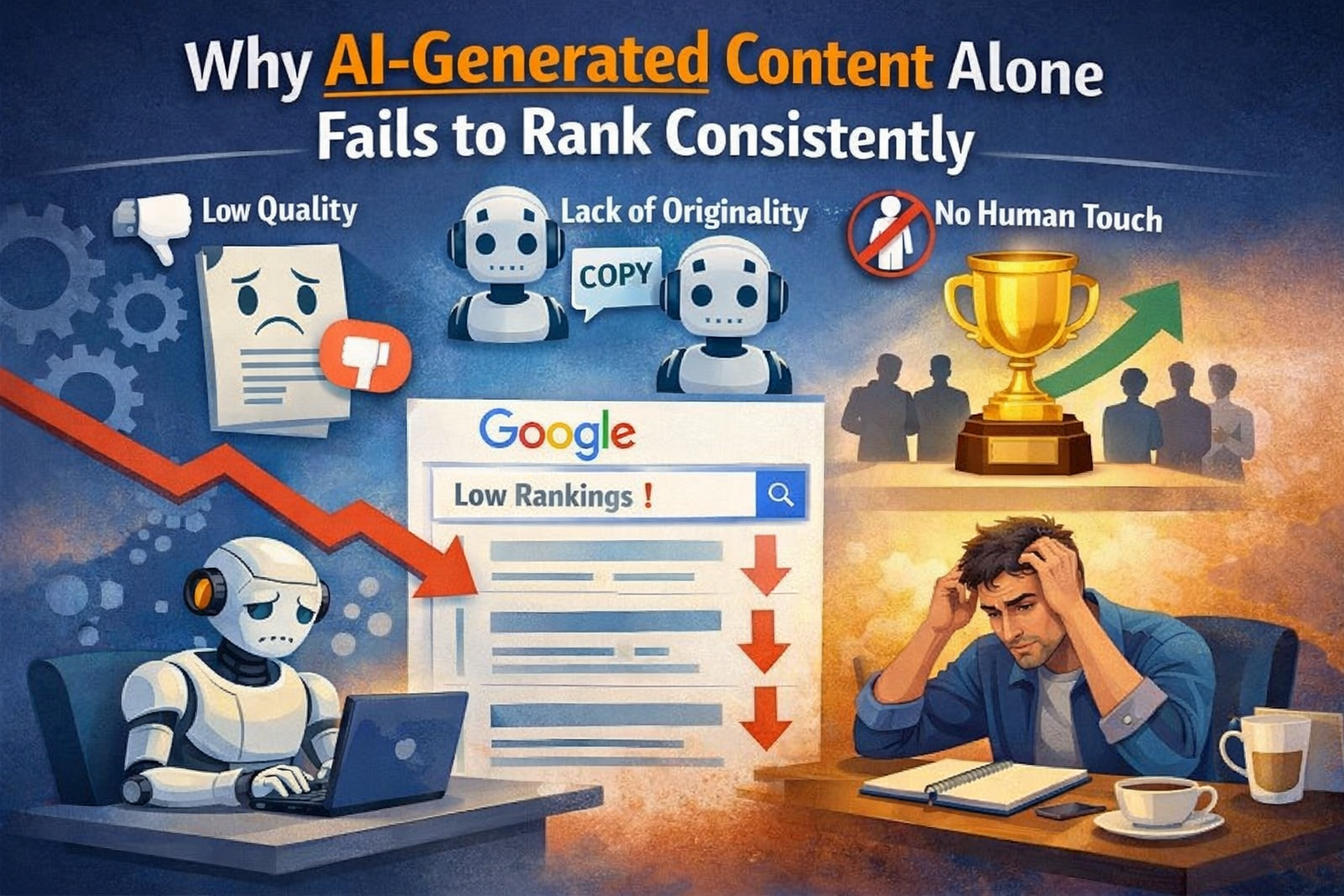
You published a batch of AI-written articles. You optimized the titles, checked the word counts, and hit publish with confidence. Then you watched the rankings — and what you saw was confusing. A couple of pages climbed. Most flatlined. A few ranked for a week or two and then quietly disappeared.